| Measurement Range |
NH4-N: 0.1-3000mg/L(customizable) |
| K+:0.5-5000mg/L (Optional) |
| pH: 5 – 10 |
| Temperature: 0 – 40oC |
| Measurement Accuracy |
NH4-N: ±5% of the measured value or ±0.2 mg/L |
| K+:±10% of the measured value or ±0.2 mg/L(Optional) |
| pH: ±0.1 pH |
| Temperature: ±0.5oC |
| Repeatability |
±5% or 0.2 mg/L, maximax criterion |
| Resolution Ratio |
NH4-N: 0.01 mg/L |
| K+:0.01mg/L (Optional) |
| pH: 0.01 |
| Temperature: 0.1oC |
| PowerSupply |
12VDC |
| Communication Protocol |
MODBUS RS485 |
| Operating Temperature |
0~40℃(not freeze) |
| Weight |
< 1KG |
| Level of Protection |
IP68/NEMA6P |
| Cable Length |
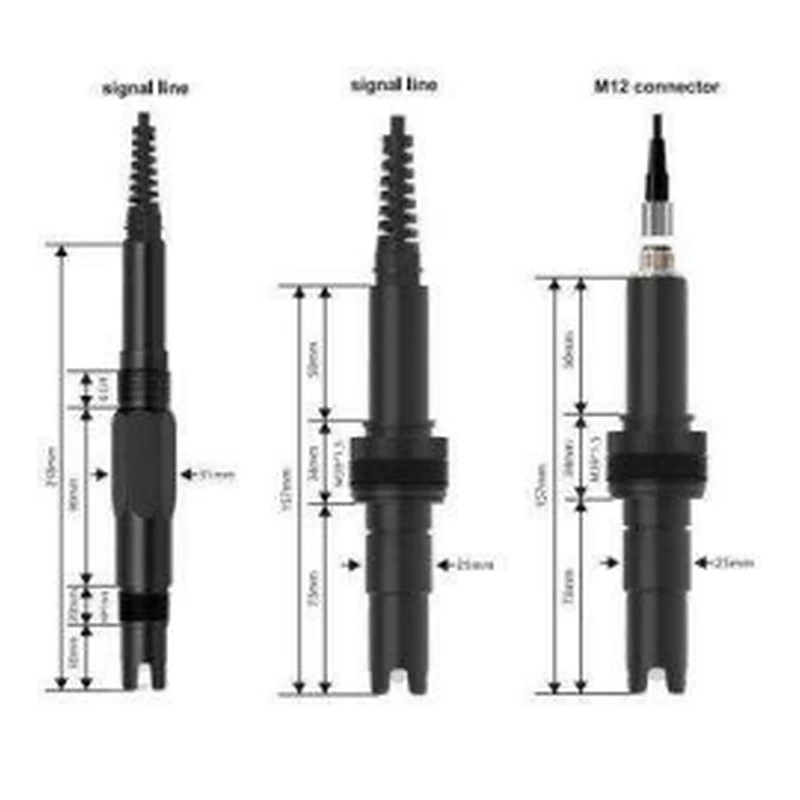
Standard10-Meter Cable,MaxLength: 100Meters |
| Response time |
01 second |
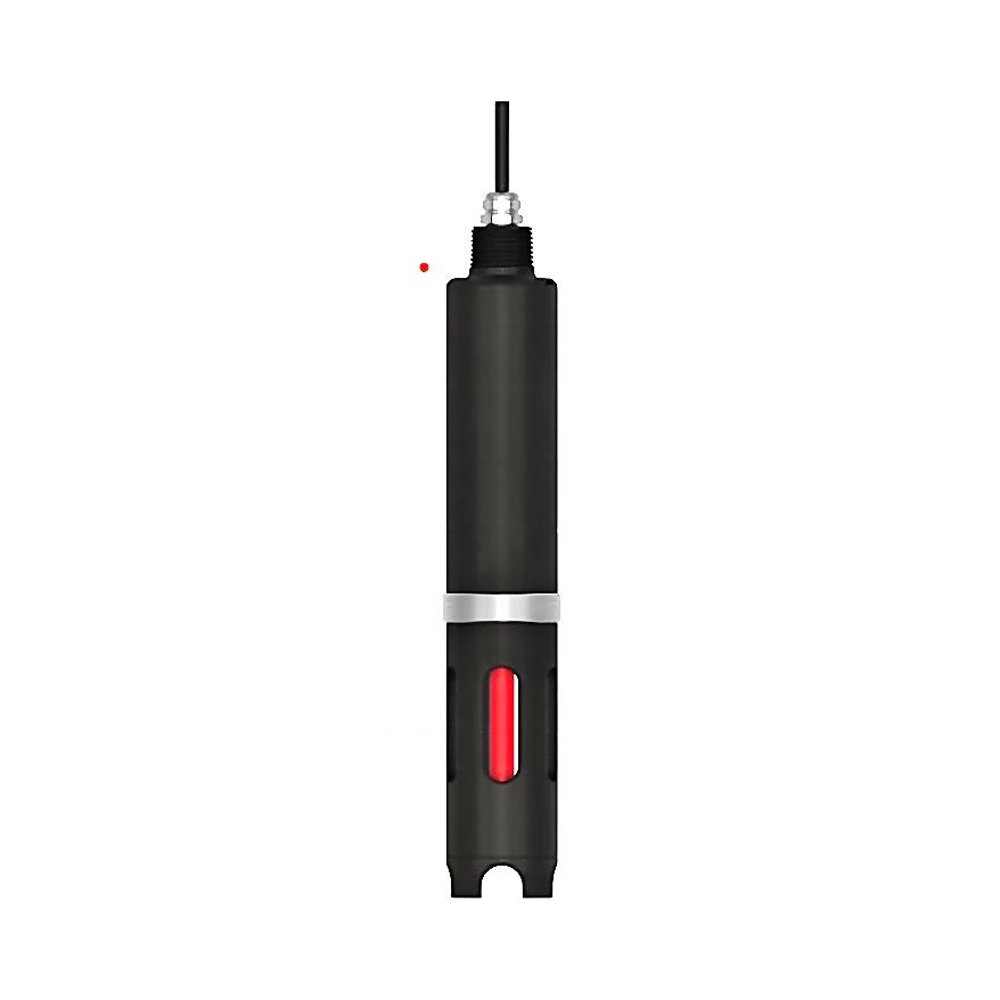
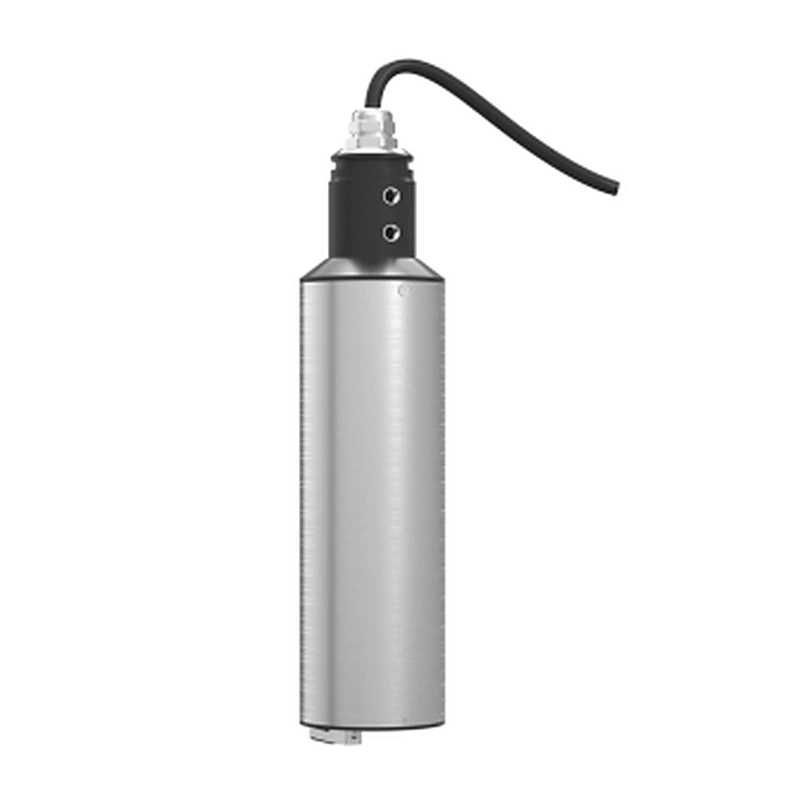
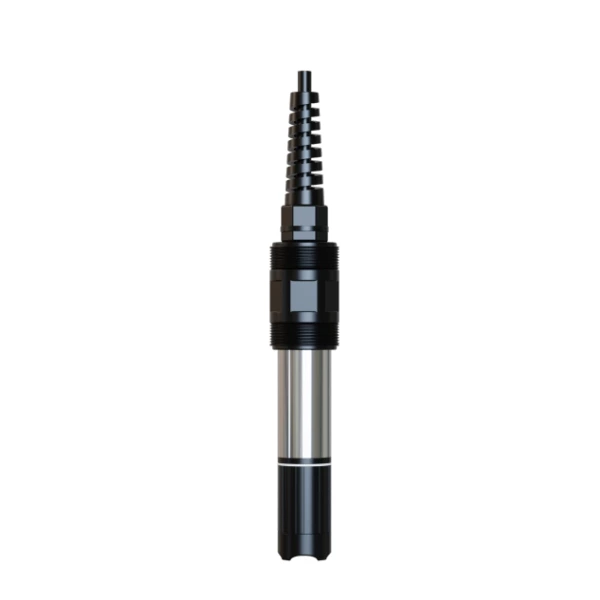
SUP-NH7000 Online ammonia nitrogensensor is characterized byno reagent, green and pollution-free, real-time online monitoring.Ammonium ion electrode, pH electrode and reference electrode (potassium ion optional) are equipped as standard. During the measurement of ammonia and nitrogen in water, automatic pH and temperature compensation makes the measurement value more accurate.The electrode outputs RS485 digital signals and supports Modbus protocol for easy integration. The electrodes can be put into the water directly, without sample pretreatment and water sample transmission.Widely used in surface water, sewage water, tap water and many other scenarios of water quality testing.
RS485 output, supports Modbus protocol
Direct ammonia measurement without expensive sample pre-treatment
More economical and environmentally friendly
Automatic compensation, applicable to a variety of working conditions
The ammonia nitrogen electrode measures ammonium ion concentration based on an ion-selective method.The electrode is mainly composed of an ion-selective electrode, a reference electrode, anion- selective membrane and an electrolyte, and only the ammonium ion to be measured can migrate through the ion-selective membrane and subsequently reach the electrode. After the migration of ions is completed, the charge changes and a potential is generated, the value of which is proportional to the logarithm of the ion concentration.A constant potential reference electrode is used to measurethepotential and calculate the ion concentration based on the Nernst equation (Nernst). Based on the potentiometric measurement principle, the measurement results are not affected by colorimetry or turbidity.
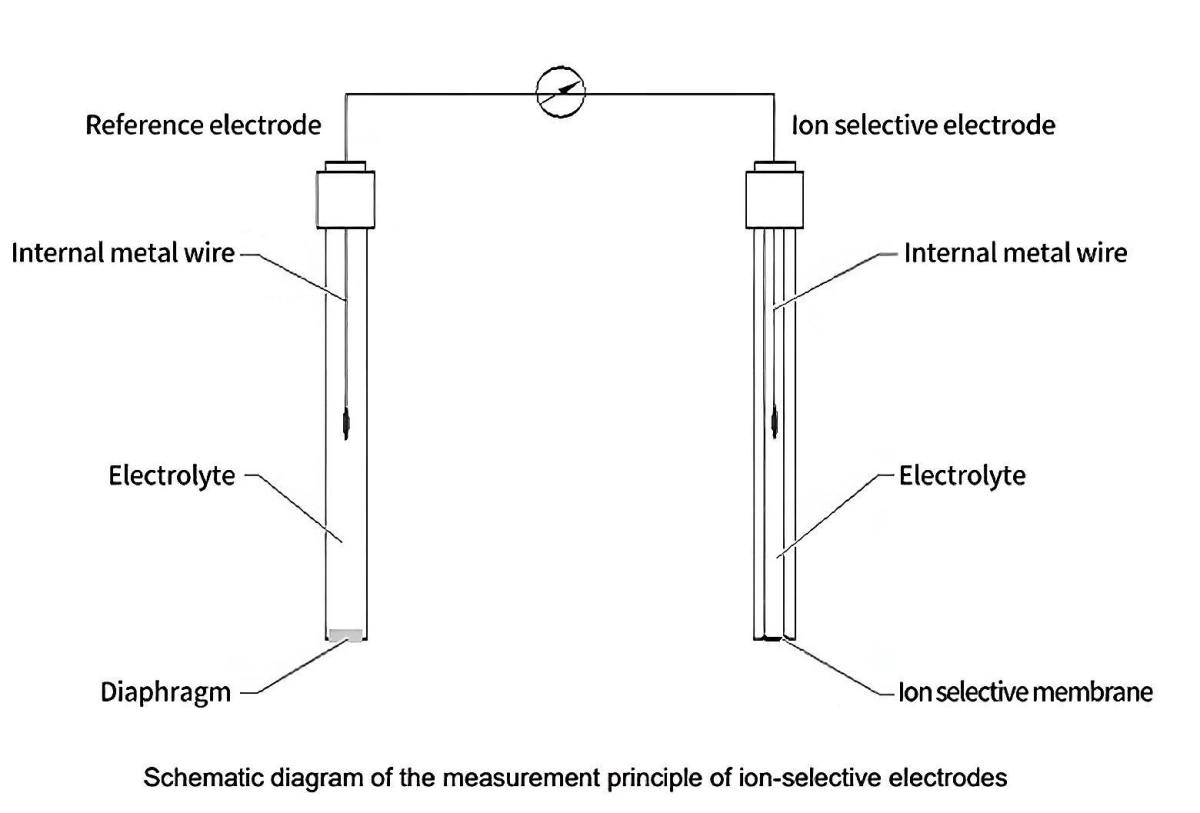
In wastewater measurements, potassium ions and ammonium ions, which have similar chemical properties, are the most significant interfering factors and can cause high measurements, so potassium ion compensation is required, in addition to dynamic compensation for the temperature and pH of the water samples.